
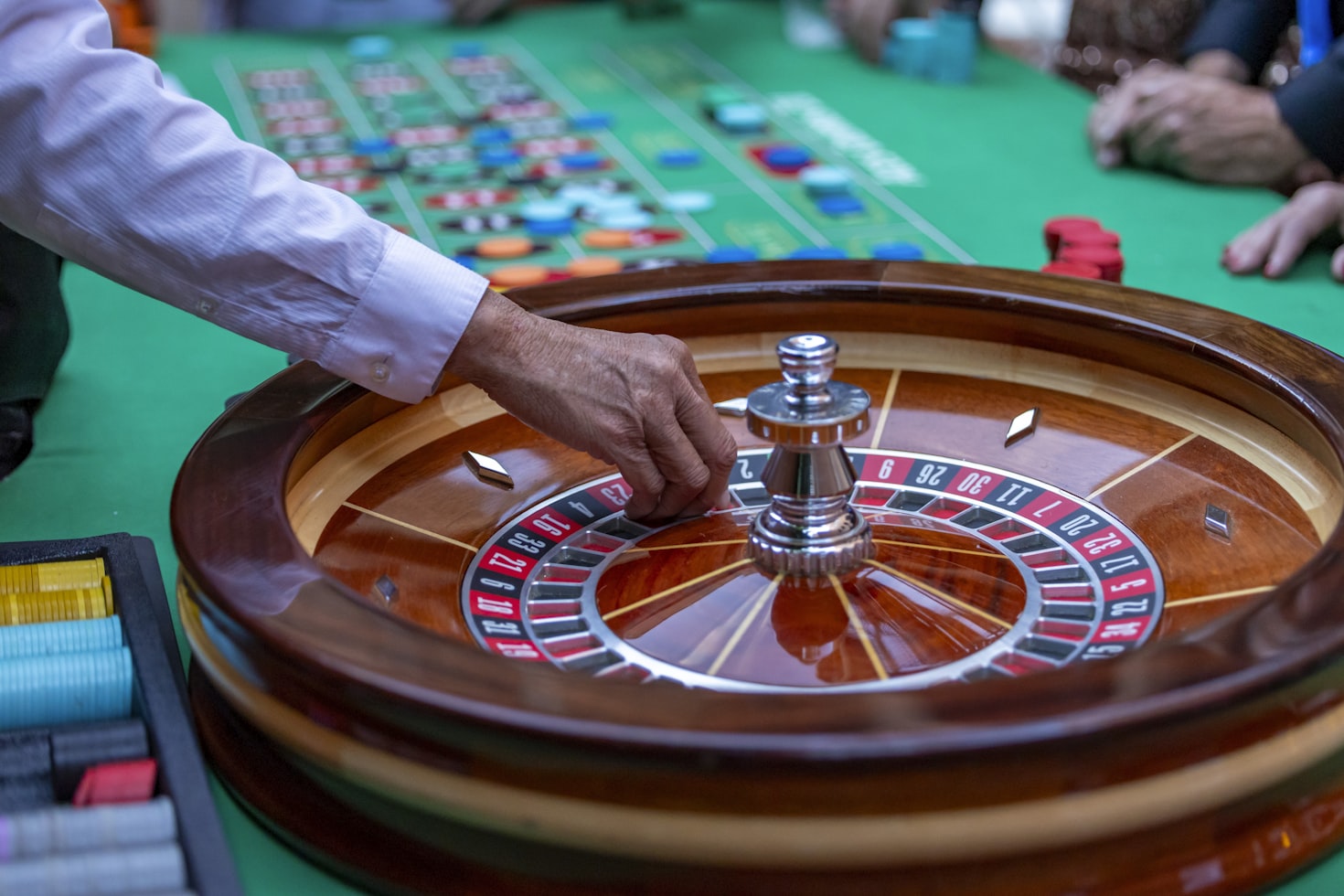
Die Geheimnisse der Casino-Strategien für Anfänger entschlüsseln Einführung in die Welt der Casino-Strategien Das Glücksspiel…
Unlocking secrets How casinos entice players through psychology
The Allure of Chance: The Psychology Behind Gambling
Casinos are designed to draw in players with a unique blend of excitement and anticipation, tapping into the psychological aspects of risk and reward. The thrill of chance plays a pivotal role in attracting patrons; the thought of winning big can overshadow the risks involved. By creating an environment laden with sensory stimuli—such as bright lights, upbeat music, and the clinking of coins—casinos stimulate a dopamine response in the brain, making players feel good and encouraging them to keep playing. Many now explore online bookmakers not on gamstop as alternative options to traditional betting.
This psychological manipulation is evident in the layout of casino floors, which are intentionally arranged to maximize exposure to games. Players are often enticed to explore various offerings, leading them deeper into the gaming space. The thrill of the unknown becomes a powerful magnet, pulling individuals into a realm where they can momentarily escape reality and indulge in the pursuit of fortune.
The Role of Ambience and Environment
The physical environment of a casino significantly influences player behavior. Many establishments utilize a carefully crafted ambiance that makes visitors feel comfortable and engaged. Color schemes, lighting, and even scent can be strategically used to create a welcoming atmosphere that encourages players to linger longer. Studies have shown that specific colors can evoke certain emotions; for instance, warm colors might stimulate excitement, while cooler tones may induce calmness. This shows how the casino experience itself can influence decisions and enjoyment.
Furthermore, the absence of clocks and windows in most casinos serves a psychological purpose. By eliminating external time cues, players lose track of time, often prolonging their stay and increasing their spending. This design choice fosters an immersive experience that transports players away from their daily lives, making it easier for them to invest both time and money without realizing how much they have spent.
Rewards and Reinforcement Mechanisms
Casinos are renowned for their reward systems, which leverage psychological principles such as reinforcement and operant conditioning. Many games, particularly slots, are designed to deliver frequent, albeit small, wins. This consistent reinforcement creates a sense of success, encouraging players to continue gambling. The intermittent rewards trigger excitement and keep players engaged, despite the overall odds being stacked against them. The appeal of these systems is often intensified by the marketing efforts of casinos.
Moreover, loyalty programs further entice players by appealing to their desire for status and recognition. Players accumulate points with every bet, often leading them to gamble more to achieve higher tiers of membership. This desire for exclusive incentives and perceived value can outweigh the rational assessment of risks, reinforcing gambling behavior and building a deeper attachment to the casino environment.
The Impact of Social Interaction
Casinos successfully capitalize on social dynamics to enhance player engagement. The communal aspect of gaming, whether at a poker table or a slot machine clustered with others, creates a sense of camaraderie that is appealing to many. The environment encourages interactions, whether through shared celebrations over wins or the collective experience of loss, fostering a community that draws players together. This social dynamic often enhances the thrill of the game.
Additionally, the presence of staff members, such as dealers and waitstaff, contributes to a positive social atmosphere. They not only provide service but also engage with players, often boosting morale and enhancing the overall gaming experience. This interaction can contribute to an emotional connection to the casino, making players more likely to return, drawn by both the potential for personal wins and the enjoyment of socializing.
Conclusion: Understanding the Casino Experience
Understanding how casinos harness psychological principles reveals the depths of their strategies to entice players. From the thrilling design of the gambling environment to the careful orchestration of reward systems and social interactions, it is clear that the experience is meticulously crafted. This psychological engagement transforms mere gambling into an immersive entertainment experience, making it difficult for players to resist the allure. As a final thought, exploring the broader themes of chance and engagement can enhance one’s understanding of gambling and its impacts.
As you explore the fascinating interplay between psychology and casino design, consider the insights offered by various platforms dedicated to understanding such environments. Engaging with these resources can deepen your appreciation of the intricate ways in which casinos engage their clientele, ensuring that each visit is not just a game, but an experience designed to captivate.