
A Recarga de Inverno oferece-apenas 5€, 10€ ou 20€ por semana causa deposites aquele jogues…
Exploring the psychology behind casino game strategies and player decisions
The Influence of Emotions on Gambling Choices
Emotions play a pivotal role in how gamblers make decisions in a casino setting. For many players, the thrill of potential winnings can trigger feelings of excitement and optimism. This emotional high often leads them to engage in riskier behaviors, such as increasing their bets or playing games they may not fully understand. In fact, some might even find themselves drawn to options like casino not on gamstop, further complicating their choices. The excitement can cloud judgment, leading to impulsive decisions that do not align with rational strategy.
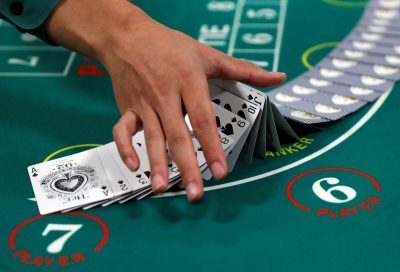
Conversely, negative emotions like fear or frustration can also impact gameplay. A player who has just experienced a loss may chase their losses by placing larger bets in a desperate attempt to regain what was lost. This phenomenon, commonly referred to as “loss chasing,” illustrates how emotional responses can undermine strategy and lead to poorer decision-making in the heat of the moment.
Cognitive Biases and Their Effects
Cognitive biases significantly affect how players perceive their gambling experiences and make choices. For instance, the “gambler’s fallacy” is a common misconception that past outcomes influence future results. A player might believe that after a series of losses, a win is “due,” leading them to continue playing despite unfavorable odds. This bias not only affects individual betting strategies but can also perpetuate the cycle of gambling.
Another cognitive bias is the “illusion of control,” where players believe they can influence the outcome of a game that is purely chance-based, like slots or roulette. This belief can lead to strategies that are not based on sound mathematics, as players focus on their perceived control rather than the inherent randomness of the games. Understanding these biases is crucial for developing sound strategies that enhance a player’s long-term success.
The Role of Social Dynamics in Casino Behavior
Social dynamics also play a critical role in the decisions players make in casinos. The environment is designed to be engaging, with loud sounds, vibrant colors, and social interactions that stimulate players’ senses. This atmosphere can encourage players to make decisions based on group behavior rather than their individual assessment. For instance, a player might feel pressured to continue playing because they see others winning, even if their own strategy suggests otherwise.
The presence of friends or fellow gamblers can amplify both positive and negative experiences. Social reinforcement can lead to riskier strategies, where players feel emboldened by the support of their peers. On the other hand, the fear of missing out (FOMO) can compel individuals to participate in games or bets they normally wouldn’t consider, ultimately impacting their overall gambling strategy.
Developing Effective Strategies Through Self-Reflection
To navigate the complexities of casino games, players can benefit from self-reflection about their behaviors and strategies. Identifying personal triggers and understanding how emotions influence decisions can empower players to develop more effective strategies. For example, recognizing when feelings of excitement or frustration arise can help a player take a step back before making impulsive choices.
Additionally, establishing a disciplined approach to gambling, such as setting limits and adhering to a personal strategy, can mitigate the adverse effects of emotional and cognitive biases. With practice, players can learn to analyze their decisions critically and adjust their strategies accordingly, leading to a more considered and potentially successful gambling experience.

Conclusion: Resources for Responsible Gambling
As the exploration of casino game strategies and player decisions reveals, understanding the psychological factors at play can significantly influence outcomes. Players who educate themselves on these dynamics are better equipped to make informed decisions that align with their personal goals and limits. This knowledge is essential for enhancing the enjoyment of gambling while minimizing potential risks.
For those seeking further information on gaming strategies and responsible gambling practices, visiting dedicated resources can provide valuable insights. Engaging with educational content can encourage a healthier relationship with gambling and promote a safer gaming environment for all players.