
Unlock the thrill of casino gaming with Unknown's exclusive tips and tricks Understanding the Casino…
Exploring the psychology of player behavior in casinos
The Allure of Gambling: Understanding Attraction
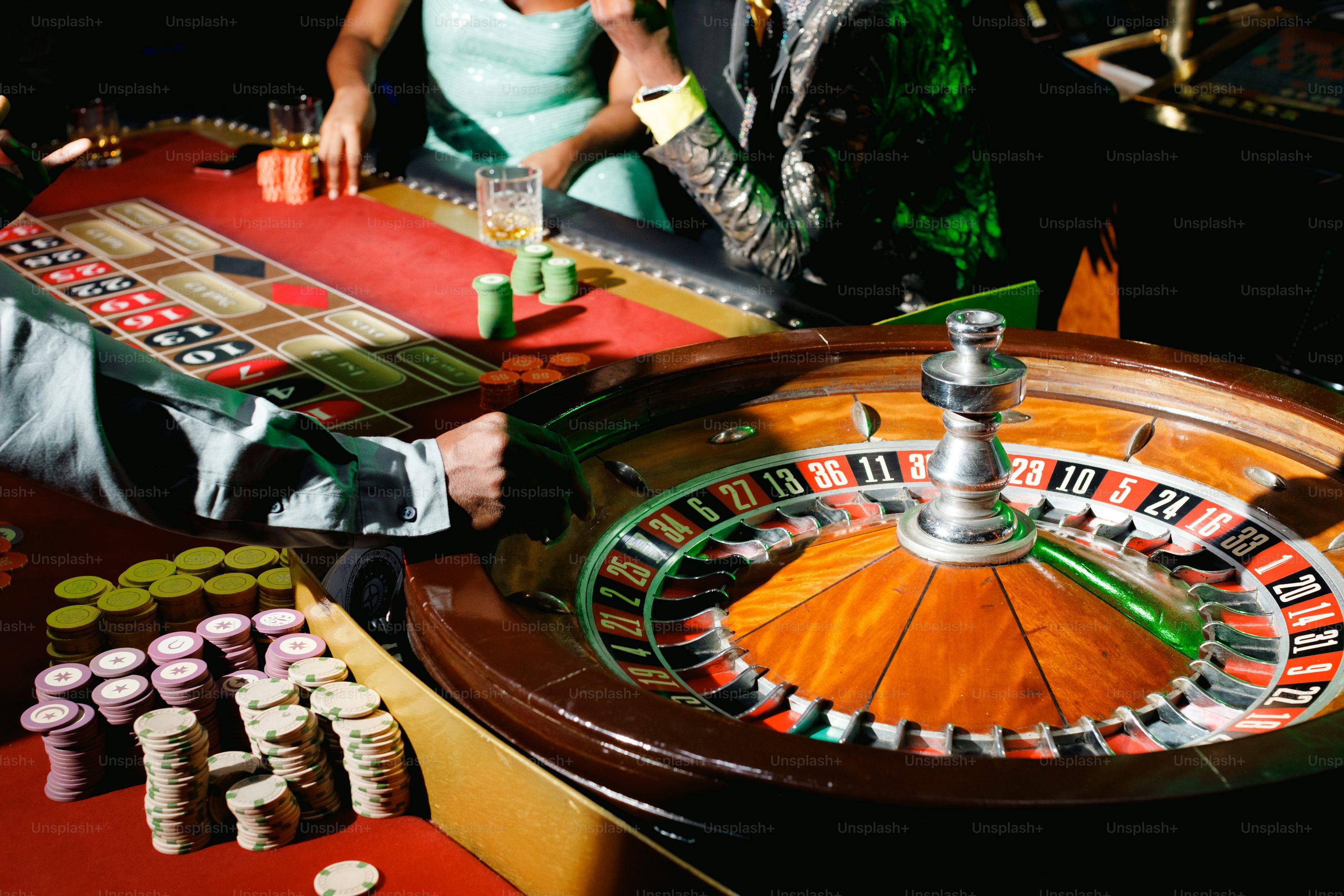
The psychology of player behavior in casinos begins with the intrinsic allure of gambling itself. Many individuals are drawn to casinos by the promise of excitement and the potential for financial gain. This duality can create a powerful magnetism, where the thrill of winning overshadows the risks involved. The ambiance of a casino, with its vivid lights and upbeat sounds, generates a sensory experience that heightens players’ emotional responses, making it easier for them to engage in risk-taking behaviors. By exploring this attraction, players may discover the best crypto casinos that align with their gaming preferences.
Furthermore, casinos are strategically designed to keep players engaged for extended periods. The layout of slot machines, card tables, and other games is often meant to maximize exposure and accessibility. Players are frequently encouraged to stay longer and spend more through various promotions, loyalty programs, and the provision of complimentary services. This curated environment fosters an atmosphere of continuous play, which can lead to excessive gambling behaviors in susceptible individuals.
Cognitive Biases and Their Impact on Gambling Decisions
Cognitive biases play a significant role in how players make decisions in a casino setting. Many gamblers fall prey to the “gambler’s fallacy,” which is the erroneous belief that past events will influence future outcomes in random games. For instance, a player might think that a slot machine is “due” for a win after a series of losses, leading them to invest more money. Such misconceptions can cloud judgment and result in irrational financial choices. Unknown factors often contribute to this fallacy, making it a crucial aspect to understand.
Another common bias is the illusion of control, where players believe they have a greater ability to influence outcomes than they actually do. This sense of empowerment can lead to increased gambling frequency and more significant financial commitments. Understanding these cognitive distortions is crucial for both players and casino operators, as they highlight the psychological traps that can lead to problematic gambling habits.
The Social Environment of Casinos: Peer Influence
The social dynamics within casinos can significantly influence player behavior. Many individuals engage in gambling not only for the thrill of the game but also for the social experience it provides. Interacting with friends and fellow players can enhance enjoyment and reinforce decision-making processes. The presence of peers can sometimes lead to increased risk-taking, as players feed off each other’s excitement and enthusiasm.
Moreover, social norms can affect gambling behavior. Players are often swayed by how others around them are betting or engaging with games. A bustling table with enthusiastic players may encourage newcomers to bet more aggressively. The culture within a particular casino or among certain groups of players can amplify the tendency toward high-stakes or impulsive gambling, further shaping individual behavior and decision-making.
Managing Addiction: The Psychological Toll of Gambling
The consequences of gambling can extend beyond financial loss, manifesting significant psychological harm. Compulsive gambling, or gambling addiction, is a serious condition that can lead to emotional distress, relationship breakdowns, and personal crises. Understanding the psychological mechanisms that contribute to addiction is essential for developing effective prevention and treatment strategies.
Individuals suffering from gambling addiction often experience feelings of guilt, shame, and anxiety, which can create a vicious cycle of behavior. The initial thrill of winning may quickly give way to despair when losses accumulate. Recognizing these patterns is vital for providing support to those affected, emphasizing the need for resources that address the psychological aspects of addiction while promoting healthier gambling practices.
Enhancing User Experience in Casinos: A Path Forward
To improve player behavior and create a healthier gambling environment, the casino industry must prioritize user experience alongside responsible gambling initiatives. This can involve implementing measures such as self-exclusion programs, educational resources on gambling risks, and promoting awareness of cognitive biases that affect decision-making. By fostering an environment that emphasizes player well-being, operators can cultivate a sustainable business model that benefits both players and the industry.
Ultimately, understanding the psychology of player behavior in casinos not only helps in enhancing user experience but also plays a critical role in addressing the challenges of gambling addiction. Through a comprehensive approach that accounts for the psychological, social, and environmental factors involved in gambling, casinos can navigate a path toward a more responsible and enriching experience for all players.